
At a Glance:
The Main Pieces of a Smart Lighting System
How Smart Home Lighting Communicates
Everyday Features Homeowners Actually Use
Smart Lighting and Energy Efficiency
Smart home lighting sounds fancy, maybe even a little intimidating. For a lot of homeowners, it brings up questions like, "Is this complicated? Will I need to rewire my house? What happens if the Wi-Fi goes down?” The good news is that smart home lighting is much more approachable than it used to be. You can start small, learn as you go, and build a system that fits your home and lifestyle.
At its core, smart home lighting is about control and flexibility. Instead of flipping a switch and getting the same light every time, you can adjust brightness, color, timing, and even behavior based on your routines. Whether you’re interested in convenience, energy efficiency, better ambiance, or just not having to walk through a dark house at night, smart lighting can make everyday life a little easier.
This guide breaks down how smart home lighting works in plain language (no engineering degree required).
Update Your Homes Lighting
From circadian lighting to lighting automation and more, we can help bring the latest lighting technology to your home. If you're considering updating your home's lighting, speak to the experts at Bjron's to learn what we can do.
Explore Lighting Control OptionsWhat Is Smart Home Lighting?
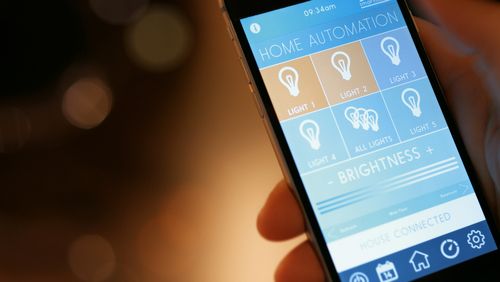
Smart home lighting refers to lighting systems that you can control digitally instead of only using a traditional wall switch. That control usually happens through a smartphone app, voice assistant, or automated settings you program ahead of time. Lights can turn on and off automatically, dim themselves, change color, or respond to commands without you touching a switch.
What makes smart lighting “smart” is communication. The lights, switches, and controls talk to each other using Wi-Fi, Bluetooth, or a dedicated smart home protocol. Once they’re connected, you can manage everything from one place and tailor the lighting to how you actually live.
For homeowners, the appeal is ease and flexibility. You can start with one room or one lamp and expand later. You don’t have to overhaul your entire house to see the benefits.
Related Reading: Exploring Bjorn’s Advanced Lighting Control Systems
The Main Pieces of a Smart Lighting System
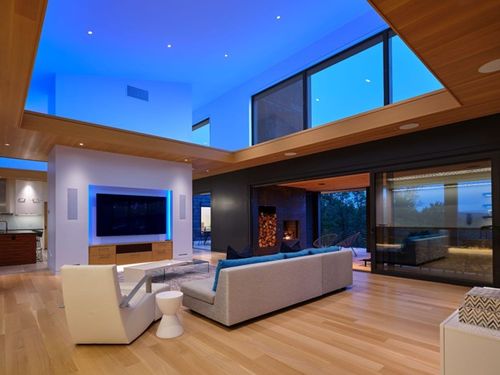
Smart home lighting systems are made up of a few core components. You don’t need all of them at once, and many homes use a mix depending on needs.
Smart Bulbs
Smart bulbs look like regular light bulbs, but they have built-in technology that lets them connect to an app or smart home system. You screw them into an existing fixture, pair them with your phone, and you’re ready to go.
These bulbs can usually dim without a dimmer switch, change color temperature, or even display full color for mood lighting. They’re one of the easiest ways to try smart home lighting because installation is simple and reversible.
Smart Switches and Dimmers
Smart switches replace your existing wall switches. Instead of controlling one bulb, they control the entire fixture or circuit. This is helpful in rooms with multiple recessed lights or overhead fixtures.
Smart dimmers let you adjust brightness smoothly and can be controlled by touch, app, or automation. Many homeowners prefer switches because they still work like normal lights for guests while offering smart features in the background.
Hubs and Bridges
Some smart lighting systems require a hub. This small device plugs into your router and acts as a translator between your lights and your phone. Not every system needs one, but hubs can improve reliability and allow more advanced automation.
Think of the hub as a traffic coordinator. It helps everything communicate smoothly, especially in larger homes.
Apps and Control Platforms
Every smart lighting system uses an app. This is where you set up lights, create schedules, and build scenes. Most apps are designed for everyday users, not tech experts.
Many systems also integrate with broader smart home platforms, making it easier when you’re integrating smart lighting into my home alongside thermostats, security, or shades.
How Smart Home Lighting Communicates

You don’t need to understand networking to use smart lighting, but it helps to know the basics. Most systems use one or more of these methods:
- Wi-Fi: Direct connection to your home network. While it is simple to set up, an excessive number of devices can cause strain on older routers.
- Bluetooth: Simple and reliable for small setups, but has a limited range.
- Dedicated smart protocols: These are designed specifically for smart homes and are often more stable, especially as your system grows.
The key takeaway is that your lights aren’t acting alone. They’re part of a small network that lets them respond to commands and automation quickly.
For a deeper look at what to consider before buying smart lights, this CNET guide is a helpful overview.
Related Reading: Smart Home Living: Integrated Technology for Seamless Control
Everyday Features Homeowners Actually Use
Smart home lighting comes with a long list of features, but most homeowners end up using just a handful regularly. These are the ones that tend to make the biggest difference.
Automated Lighting Schedules
This is one of the most popular features. You can set lights to turn on or off at specific times, like porch lights at sunset or bedroom lights in the morning.
Automated lighting schedules are also great when you’re away. You can set the lights to turn on at night to make the house look occupied without having to think about it.
Scenes and Mood Lighting
Scenes let you control multiple lights with one tap or command. For example, a “Movie Night” scene might dim the living room lights and turn off others.
This is where mood lighting really shines. You can create different feels for dinner, relaxing, or entertaining without adjusting each light individually.
Voice-Controlled Lighting
Voice assistants make lighting control almost effortless. You can turn lights on, dim them, or activate scenes just by speaking.
Voice-controlled lighting is especially helpful when your hands are full, you’re cooking, or you’re already in bed and don’t want to get up.
Motion and Automation
Some systems allow lights to respond to motion or other triggers. Hallway lights can turn on when you walk through at night, then turn off automatically.
This kind of automation adds convenience without requiring daily interaction.
Smart Lighting and Energy Efficiency
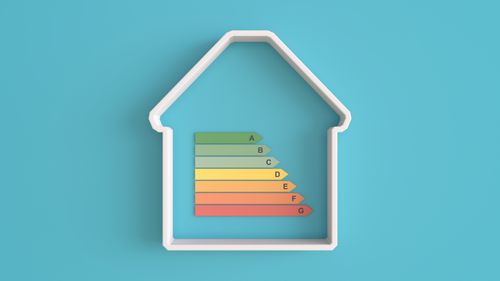
One of the quieter benefits of smart home lighting is energy efficiency. Smart bulbs are typically LED, which already use less energy than traditional bulbs. Add automation, and you reduce waste even further.
Lights turn off automatically when not needed. Dimming reduces power use. Scheduling ensures lights aren’t left on all day by accident. Over time, these small changes can add up.
For homeowners focused on sustainability or lowering utility bills, smart lighting can be a simple upgrade with ongoing benefits.
Circadian Rhythm Lighting at Home
Another growing area of interest is circadian rhythm lighting at home. This type of lighting adjusts color temperature throughout the day to better match natural daylight.
Cooler, brighter light in the morning can help you feel more alert. Warmer light in the evening supports relaxation and better sleep. Some smart lighting systems automate this shift, so you don’t have to adjust anything manually.
While it’s not a replacement for good sleep habits, many homeowners find it improves comfort and overall ambiance.
Related Reading: Benefits of Bjorn's: Why Locals Choose Our San Antonio Integrators
Starting Small and Scaling Over Time
One of the biggest misconceptions about smart home lighting is that you have to do everything at once. In reality, most people start with a few bulbs or one room.
You might begin with a living room lamp, then add kitchen lights later. Over time, you build a system that fits your routines. This flexibility is a big reason smart lighting works well for so many different homes.
If you’re unsure how to plan a system or want help choosing the right approach, professional guidance can be useful. Options like professional smart lighting installation help ensure everything works smoothly, especially in larger or more complex homes.
For homeowners interested in integrated lighting solutions, you can explore residential options here: Residential Solutions Lighting Control
Learning to Use Smart Lights Without the Headache
Most smart lighting apps are designed to be intuitive, but there’s still a learning curve. The good news is that you don’t have to master everything at once.
Start with basics like turning lights on and off from your phone. Then try schedules. Later, experiment with scenes or automation. If you ever feel stuck, guides like this Wirecutter overview are helpful. The key is patience. Smart lighting should make life easier, not feel like another chore.
Frequently Asked Questions
A smart lighting system is a setup where lights, switches, and controls are connected digitally. This allows you to control lighting through apps, voice commands, or automation instead of only wall switches. Systems can be simple or complex depending on your needs.
Smart home lighting works by allowing lights and controls to communicate over a network. Commands from an app or voice assistant are sent to the lights, telling them when to turn on, dim, or change color. Automation lets this happen automatically based on schedules or triggers.
For most homeowners, smart lighting is easier than expected. Basic features like turning lights on or off are straightforward, and you can learn more advanced options over time. Starting small helps keep things manageable.
Yes, smart lighting can work in apartments, older homes, and new builds. You can use smart bulbs without changing wiring or opt for switches and professional installation for a more built-in approach. The system can scale to fit almost any space.
Final Thoughts
Smart home lighting doesn’t have to be complicated or overwhelming. At its best, it fades into the background and quietly makes your home more comfortable, efficient, and flexible. Whether you want better ambiance, lower energy use, or just the convenience of lights that respond to your routine, smart lighting can adapt to your needs.
You don’t need to do everything at once. Start where it makes sense, build confidence, and expand over time. With the right approach, smart home lighting becomes less about technology and more about how you want your home to feel.
Why Trust Bjorn’s?
Choosing a partner for residential or commercial solutions is about more than just equipment; it's about expertise and long-term support. As a second-generation, family-owned San Antonio business, Bjorn's has built its reputation on a foundation of trust. Unlike a typical retail store, we are one of the few dealers in the country that specializes in both high-end equipment sales and the complex design and installation of full-scale, custom audio-video systems. This comprehensive expertise ensures your project is designed to perform flawlessly from the ground up.
Our commitment to you doesn't end when the installation is complete. One of the most significant reasons our customers trust us is our extensive, in-house service department. While other stores may send you to an uninterested third party for help, we believe in servicing what we sell. We treat our customers like friends and family, and if you ever have a problem, we want to be the ones to take care of it. That is our commitment to managing your "electronic lifestyle" for years to come.